
Rule 4 Probable Cause Starts a Bledsoe County Arrest Warrant
In Bledsoe County, no arrest warrant can issue on a police request alone. Tennessee Rule of Criminal Procedure 4 and Tenn. Code Ann. § 40-6-205 both require a probable-cause showing first. Someone must swear out a complaint or affidavit. A magistrate, judge, or authorized clerk then reviews it. If the facts meet the standard, the official signs the order. That signature is the warrant. The step starts the Bledsoe County process, yet the record it creates belongs to the issuing court, not the Sheriff. The clerk can identify the case and explain which parts of the file are open to the public, and Tennessee's criminal rules index includes Rule 4 for anyone who wants the full text.
Bledsoe County Arrest Warrants Explained
An arrest warrant is a court order. It lets officers take a named person into custody. It follows a probable-cause review, not the mere opening of an investigation, and a Bledsoe County arrest warrant may come out of a Circuit or Criminal Court case or another court with authority over the matter. The signed order names the issuing court and directs service. It differs from a summons, which tells a person to appear. A bench warrant, though, follows a missed court obligation.
A Bledsoe County Arrest Warrant Begins With the Complaint
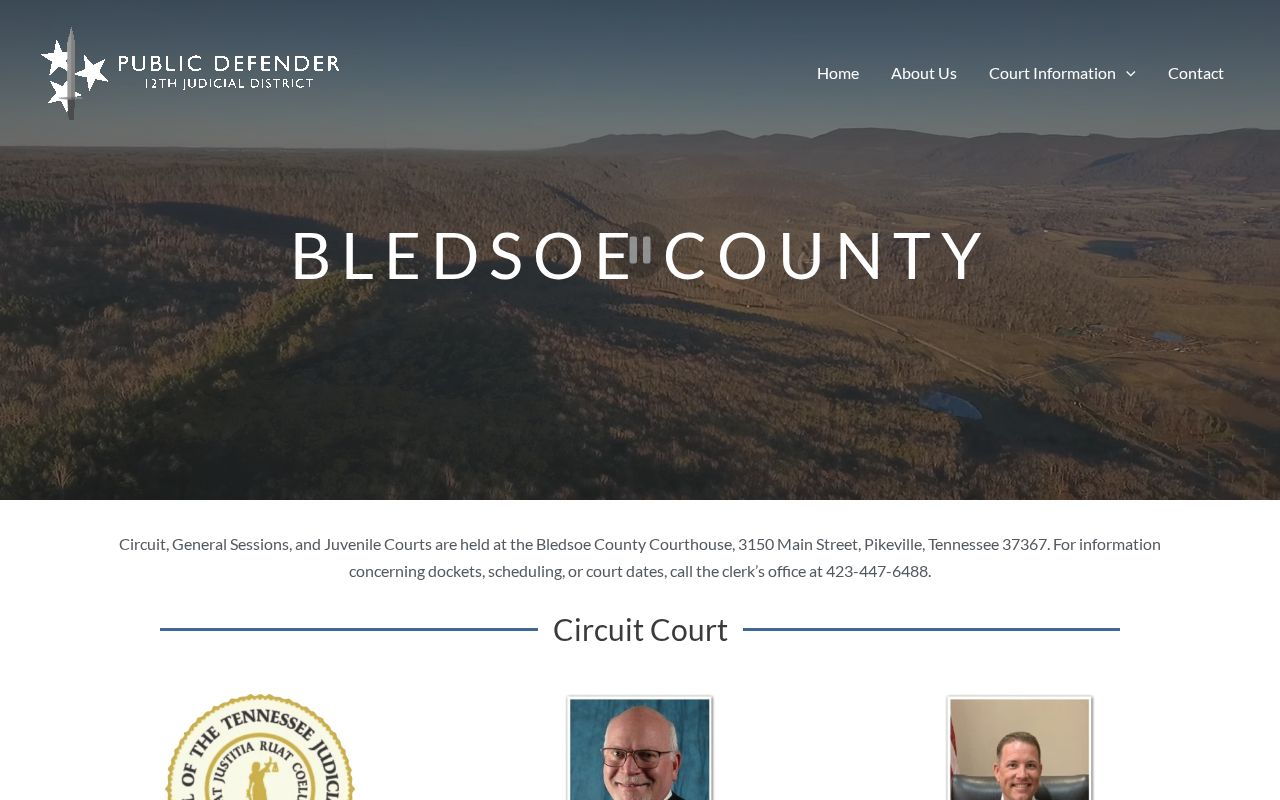
Every warrant in Bledsoe County starts with paperwork. A sworn complaint or affidavit describes the alleged offense and the facts supporting it. A judge, magistrate, or authorized clerk then reviews the submission for probable cause under Tennessee law. If process issues, the court keeps the case file. Bledsoe County offers no separate online warrant application portal. To find the right office, the 12th Judicial District Public Defender's Bledsoe page lists the courthouse and how its courts are organized.
Tennessee Rule of Criminal Procedure 4 and Tennessee Code section 40-6-205 frame how a Bledsoe County arrest warrant gets its probable-cause footing. The issuing official reviews the sworn facts. The public record may show the order without revealing every investigative detail. A location page is not a warrant-status search. Ask which court holds the case. Then ask whether process issued. Ask whether a return or a hearing appears in the file. A blank online search settles nothing, because a record in Bledsoe County may be filed later, restricted, or held in another court system. It also helps to separate issuance from service. The Bledsoe County clerk can say whether the case shows an order or a later return. The Sheriff's Office handles questions about service or custody. Only the issuing court controls the charge, the bond, and any change to the order. A phone answer can't replace a judicial recall. A return is sometimes recorded after the original issue date, so ask what the most recent docket action shows.
Inside a Bledsoe County Arrest Warrant
Bledsoe County publishes no sample arrest warrant for public viewing. Treat any checklist as questions for the clerk, not a copy of a local record. Confirm the details match the right case. Bond and status entries still need current confirmation from the court or the Sheriff.
| Process number | No public Bledsoe format published; request the case identifier. |
|---|---|
| Named person | Name as recorded by the court; verify through the clerk. |
| Charge | Offense stated in the order or related case record. |
| Issuing court | Identifies the judge or magistrate and the court file. |
| Bond terms | Ask the court for the current amount and conditions. |
| Date issued | Confirm the date and whether later action changed status. |
Sealed Affidavits Can Limit Public Review in Bledsoe Cases
The affidavit supporting a Bledsoe County warrant is a court record, but you may not see all of it. Access can turn on sealing, confidentiality, and the stage of the investigation. Rule 34 governs public access and allows exceptions. Juvenile files follow separate rules. So ask the clerk what you can actually see. Send records requests to the office holding the document. A request cannot compel release of sealed or legally confidential material, and Rule 34 access information spells out the court-record standard.
Serving Arrest Warrants in Bledsoe County
For service and custody questions, the Bledsoe County Sheriff is the main local contact. Pikeville police and other peace officers may also serve process within their legal authority. The court issues the warrant. Officers carry out the order. So service questions go to the Sheriff, while questions about the charge, bond, or recall belong with the issuing court. After an arrest, standard custody and court procedures follow. The county posts no warrant service schedule. There is no public tracking page either, so for a specific Bledsoe County case ask the clerk and the Sheriff how the order is being handled.
Federal Arrest Process for Bledsoe Routes Through Chattanooga
Federal cases touching Bledsoe County land in Chattanooga, not Pikeville. The county sits inside the Chattanooga Southern Division of the Eastern District of Tennessee. That means a federal matter runs on a separate track from any Bledsoe County state warrant or municipal warrant. The U.S. Marshals Eastern District page names the Smoky Mountains Fugitive Task Force and its regional partners, which is a federal fugitive squad rather than a county clerk or local warrant roster. For paperwork, the Eastern District court locations list Bledsoe County in the Chattanooga division. Use that to sort out jurisdiction. It will not confirm a state or municipal warrant. Federal dockets run through PACER, which carries its own account and fee rules.
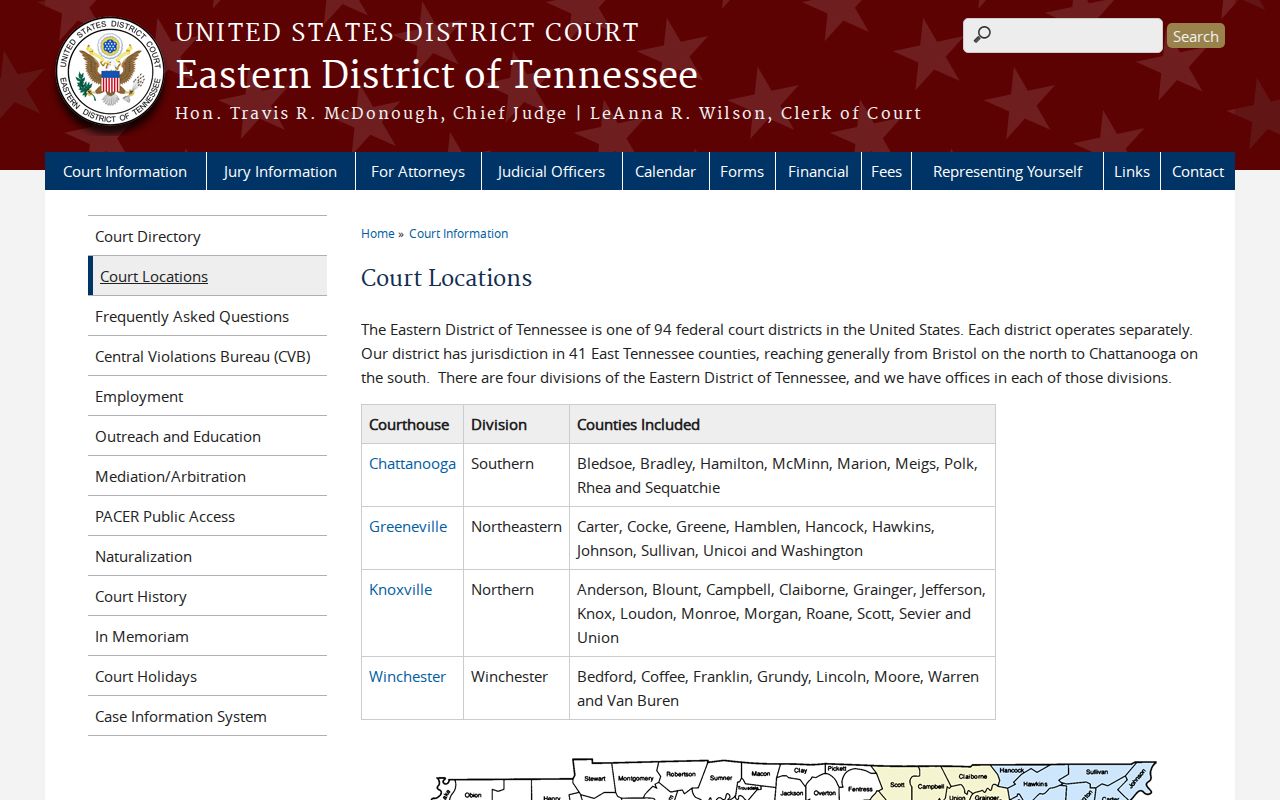
This federal reference covers jurisdiction only, not local warrant status in Bledsoe County. Federal docket access runs through PACER, under separate account and fee rules.
PACER is a federal docket service, not a Bledsoe County state warrant search.
Comparing Arrest, Summons, and Bench Warrants
Bledsoe County papers differ by trigger and instruction. A summons simply asks you to appear. An arrest warrant authorizes custody on probable cause. A bench warrant usually answers a missed court obligation in a case already open, so the bench warrant procedure is its own path.
| Feature | Arrest Warrant | Summons | Bench Warrant |
|---|---|---|---|
| What it directs | Officer to take a named person into custody | Person to appear in court | Officer to bring a person before the court |
| Basis | Probable cause of an offense | Court's decision to require an appearance | Missed setting or other court obligation |
| Who issues | Judge or magistrate | Authorized court process | Judge of the court holding the case |
| Response | Confirm charge, bond, and counsel | Attend on the stated date | Ask the court about recall or reset |
Confirm the Bledsoe County Arrest Warrant With Its Court
Bledsoe County publishes no public arrest-warrant form or countywide roster. Start with the Circuit Court Clerk for a Circuit or Criminal matter. Otherwise, use the clerk the court names on the paperwork. The Sheriff's Office can confirm its own service or custody information. A clerk can also explain how to request the supporting record under Tennessee's public-records and court-access rules. Skip the state's appellate Public Case History as a substitute. It searches appeals, not trial-level warrant files. A public result there can be accurate and still answer a different question than yours.
If There's an Arrest Warrant for You
Think an arrest warrant names you? Ask a Tennessee attorney to confirm it with the issuing court and review the charge and bond conditions. Counsel can weigh a voluntary surrender arranged with the Sheriff, posting bond, or a motion to recall or quash where that fits. The right move depends on the case; no single payment or contact resolves every order automatically. Ask the clerk how a release gets entered. Ask whether another court date remains. Keep written proof of any bond or court action. For the local offices and the wider route, use the Bledsoe County warrant overview.
Important: Do not approach a law-enforcement office to resolve a personal warrant without first discussing the current order and options with counsel.